
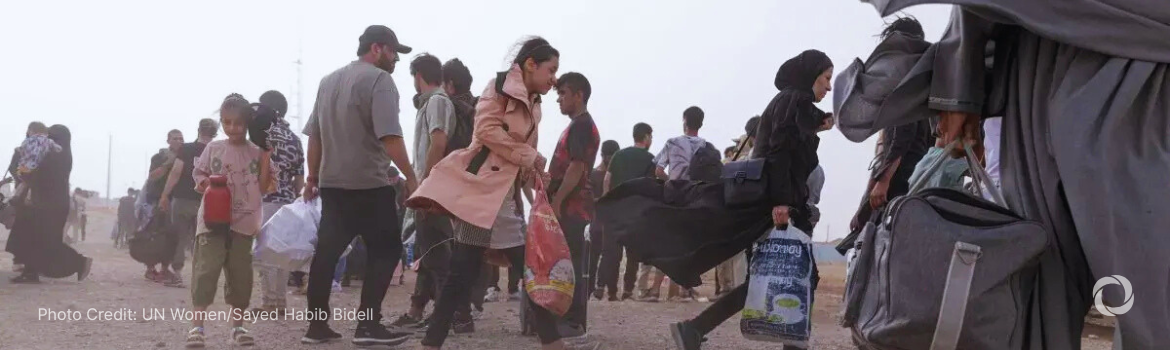
Afghan women and girls returning from Iran and Pakistan face huge risks of poverty, early marriage, and exploitation as they arrive in communities already struggling to survive, according to UN Women and CARE International. More than 2.43 million undocumented Afghans have returned since September 2023 – many forced to leave – with women and girls making up one-third of returnees from Iran and half from Pakistan this year. Many arrive in a country they’ve never lived in with no home, income, or access to basic services.
Afghanistan is already dealing with economic collapse and climate disasters, making life even harder for returning families. Women and girls face the same brutal restrictions as all Afghan females – banned from school, work, and public life while dealing with increased violence and forced marriages. A new report from the Afghanistan Gender in Humanitarian Action Working Group shows only 10% of women-headed households have permanent shelter while nearly 40% fear eviction.
“Vulnerable women and girls arriving with nothing into communities that are already stretched to breaking point puts them at even greater risk,” said UN Women’s Susan Ferguson for Afghanistan.
Safe shelter, jobs, and girls’ education top the list of what women need most urgently. But women-headed households and single women struggle to get humanitarian help because of movement restrictions and safety risks.
The situation keeps getting worse as international funding gets slashed. Women humanitarian workers at border crossings say they’re overwhelmed by arrivals and can’t meet even basic needs.
“Witnessing the volume of arrivals and the hardship faced by women, children and families has left a deep impact on all of us,” said CARE Afghanistan Director Graham Davison.
Girls lose access to education since all secondary schools remain closed to females in Afghanistan. The latest wave of returns threatens to push already fragile communities deeper into crisis as the world faces one of its most severe humanitarian disasters.
